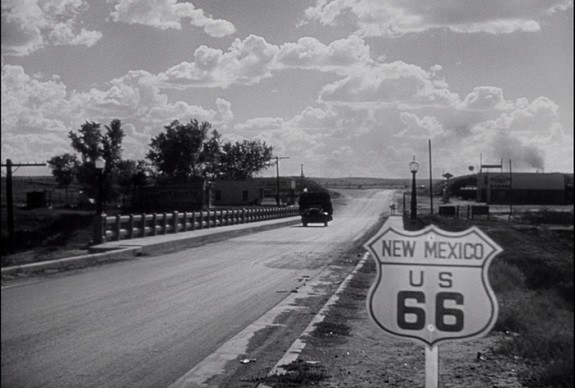
John Steinbeck, “The Grapes of Wrath,” Chapter Twelve. (the image is from the 1940 movie)
I just rewrote this section, because I’ve had a lot of time to think about what Route 66 represents to me.
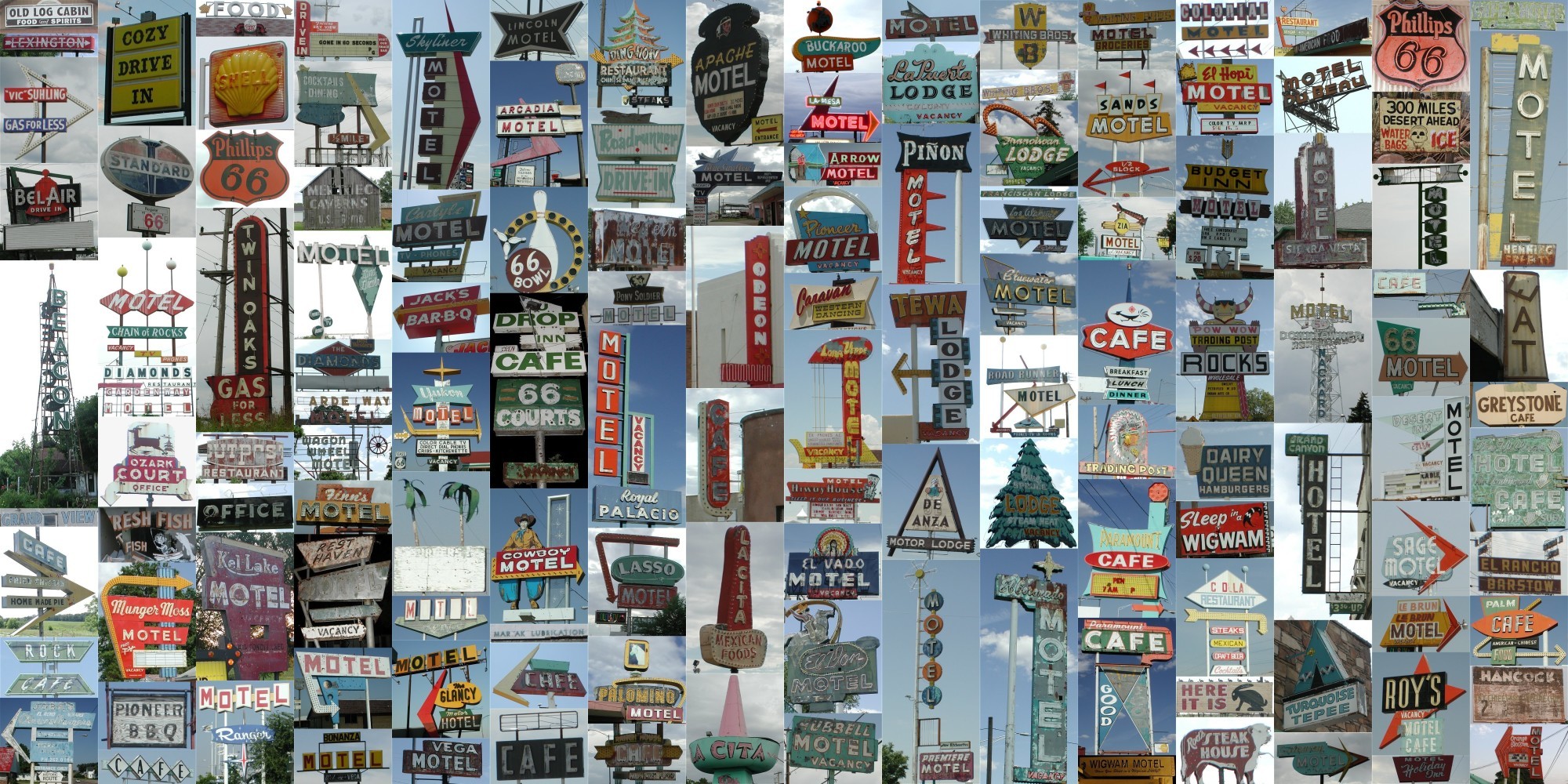
First, I grew up profoundly poor in tourist towns. My parents were divorced when I was 7 or 8, and I lived with my mother, in Taos, NM. Although Taos is not on Route 66, it was full of motels, curio shops and the assorted kitsch that would be familiar to Route 66 travelers in the Southwest.
But we did not take driving vacations. In fact, we didn’t even own a car for much of my childhood. At the same time, since we lived in a tourist trap, I was deeply aware that family vacations in automobiles were quintessentially middle-class American activities. So, driving a few hundred miles, eating in roadside cafés, and staying in roadside motels became symbols of a lifestyle that was out of reach.
I experienced a single taste of this way of life. Around 1968, before my parents split up, my grandfather drove his car from Fargo, ND to visit our family. While visiting, he suffered a stroke, and was unable to drive himself home. It was decided my dad would drive him back to Fargo, in his own car, and return via train to Santa Fe, and I was to come with them.
It was a magically happy time. I had the whole back seat to myself, and we stayed in motels two nights. I still remember the red curtains in one of them.
When we came back on the train, I remember vendors selling various things, and my dad buying me some train-related curios that became treasured possessions.
Later, when I was a teenager, and a voracious reader, I discovered John Steinbeck. After reading The Grapes of Wrath, Route 66 became a concrete symbol for another phenomenon: economic migration, and the possibility of a better life.
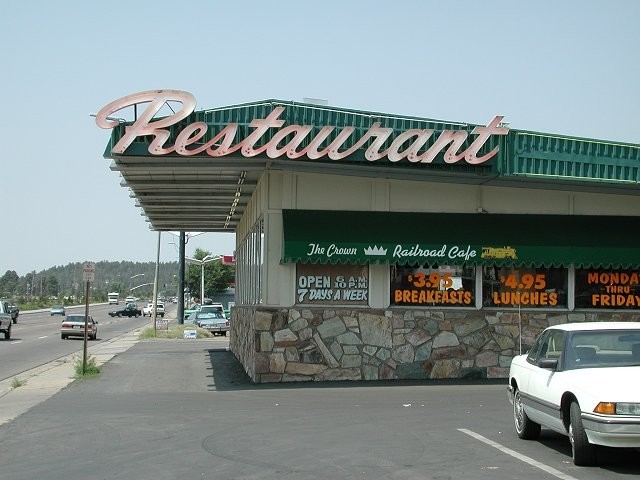
In the early- to mid-1990s, on a driving vacation to New Mexico, from San Diego, we stopped at a restaurant in Flagstaff, AZ. I noticed the Route 66 memorabilia immediately, and I remember thinking it was fun that the restaurant had been there when Route 66 was around.
But then I saw a book in the gift store, probably Michael Wallis’, and thumbed through it. I immediately realized Route 66 was STILL around, and a plan to drive it began to ferment in my brain.
This was before Google maps. In those early days ofvthe worldwide web, often the best way to find things was to look for links on related web pages. I found Route 66 “web rings,” and used these resources to locate drivable fragments. Then I used Microsoft Streets and Trips to carefully plot the location of every fragment I could find.
After months of preparation, we were ready.
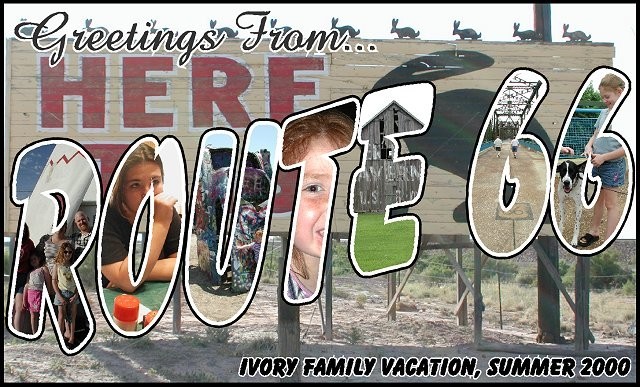
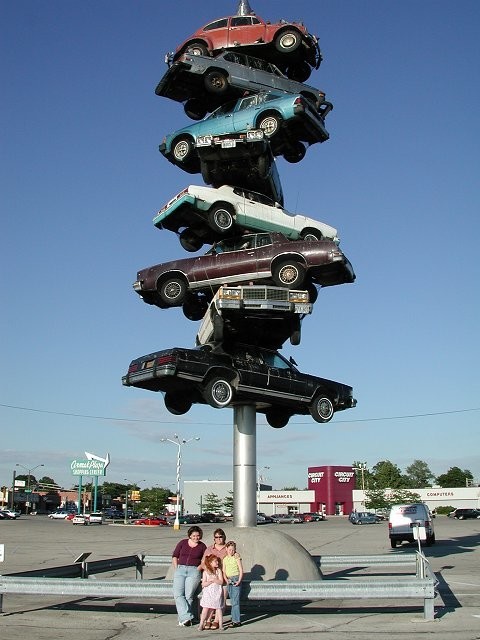
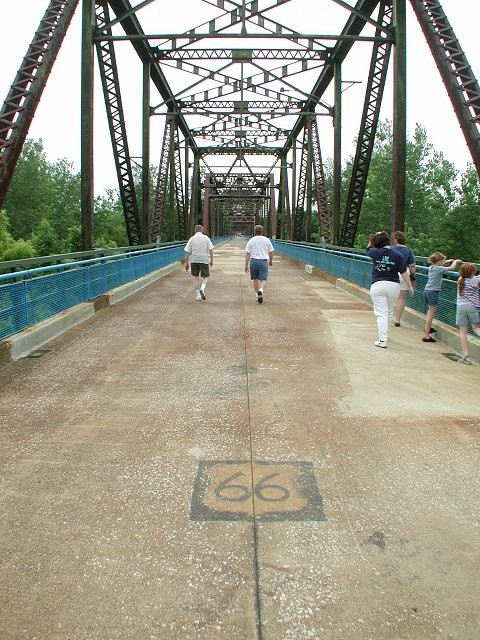
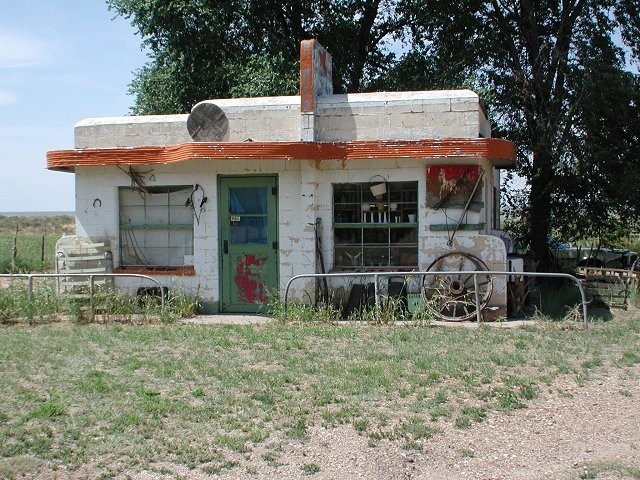
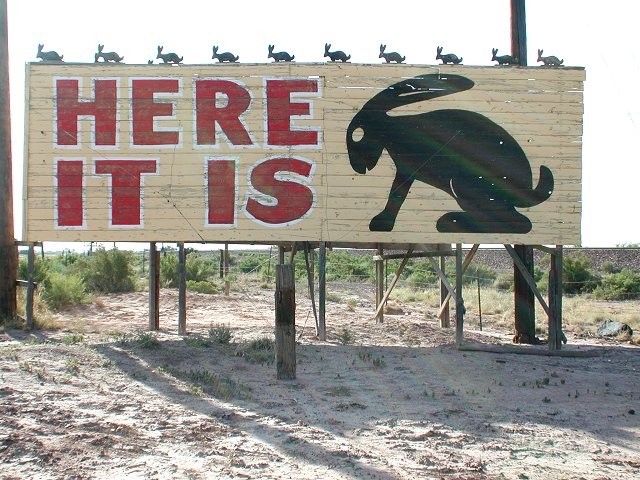
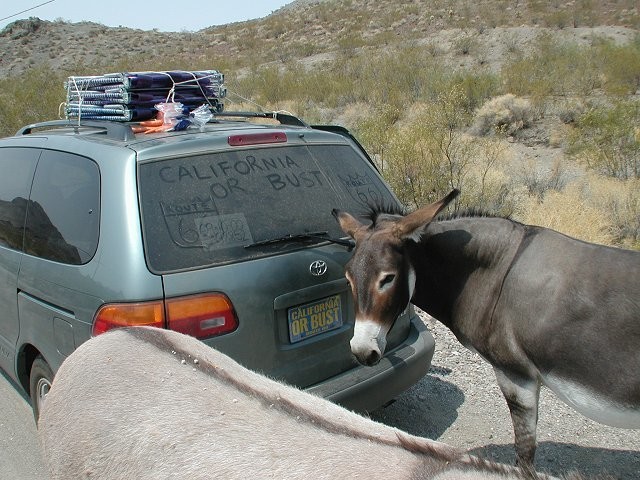
Armed with a power inverter, a laptop and an early GPS device, five of us set out from Chicago in July, 2000 for twelve days in a minivan. For me, it was a magical pilgrimage. When we reached Santa Monica, my wife, daughters and niece were spent, but I would have happily turned around and gone back!
So, this is my chance to savor it, and do it at my own pace!




 Shaun Rides His Bike
Leave a comment